
So much to talk about, so little time
Whizdom everywhere

FEATURED
Why an interim system is a smart strategy, not a compromise
An interim system is a deliberately temporary build designed to fit your business exactly as it is today, while you grow toward a more permanent solution you cannot yet justify. Treating that as a compromise is the mistake. This post makes the case that a well built interim system is often the smartest, most practical decision a scaling business can make, and explains how to name the stage you are in so you upgrade on purpose rather than in a crisis.

FEATURED
Why a paid discovery call beats a free quote
A fast, free estimate feels like good service, but it sets both sides up for the scope fights and budget overruns that derail most projects. This post makes the case for reframing the first serious conversation as paid work with a real deliverable: a fixed-fee discovery session, credited back if the client proceeds, that defines scope, cost, and timeline before anyone commits. Charging for discovery protects the client from mid-project surprises, filters out prospects who were never going to fund the work, and trains the right clients to value your thinking rather than just your execution.
.png)
FEATURED
Automate document collection so your team stops chasing
Stop chasing clients for missing forms. Learn how to automate document collection and follow-ups so the answers clients give trigger the next step on their own.

FEATURED
Why you cannot automate a process you have not defined
The dream of automation is that you point a tool at a problem and it disappears. But automating a process you have not defined does not fix it, it scales it. This post covers why so many automation projects fail, why the definition work is the real work, and the questions to answer before you automate anything.
.png)
FEATURED
How to train your AI assistant once instead of correcting it forever
Stop re-explaining yourself in every chat. Give your AI assistant a permanent brief and a defined workflow, and train it once like you would a good hire.
.png)
FEATURED
Why one giant table is breaking your business system
Many business systems become difficult to manage because everything is stored in one oversized table. As columns multiply, visibility decreases, data gets duplicated, and teams struggle to focus on the information that matters. This article explains how linked tables and role-specific views create cleaner, more scalable systems that are easier to use, maintain, and delegate.
.png)
FEATURED
Stop overpaying for software upgrades you do not need
Many businesses upgrade software plans for a single feature without considering alternative solutions. By designing smarter workflows and working creatively within existing tools, you can often achieve the same outcome while avoiding costly recurring subscription increases. Learn when to build around a limitation, when to pay for the upgrade, and how to make software decisions that support both growth and profitability.
.png)
FEATURED
CRM Migration Guide
Day by Day's CRM migration guide explains how to move to a new system without repeating the mistakes of the old one. Thinking about switching CRMs? Read on.
FEATURED
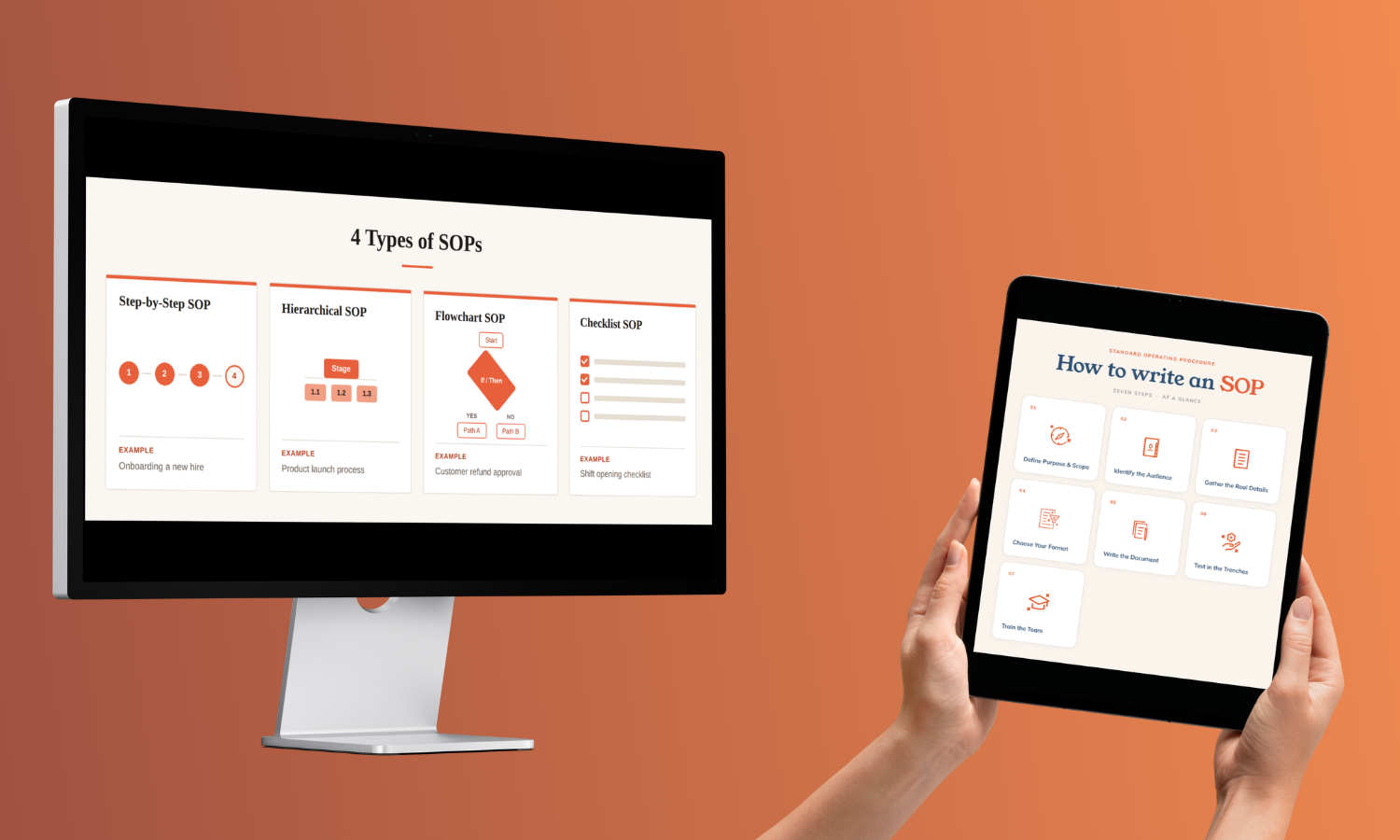
How to Write an SOP
Not sure how to write an SOP? Learn standard operating procedure best practices to turn the processes in your head into clear workflows your team can follow.
.png)
FEATURED
Status vs assignee: why your workflow needs two fields, not one
Many workflow systems fail because they try to answer two questions with one field: What stage is this task at? and Who owns it? By separating status from assignee, teams gain clearer visibility, better reporting, easier delegation, and more reliable workflows. This small design change can dramatically improve how work moves through your business.
FEATURED
What is Integration Testing?
Heard of integration testing but unsure what it is, why it’s important, or if you need it? Day by Day walks you through it in plain English, with examples.
FEATURED
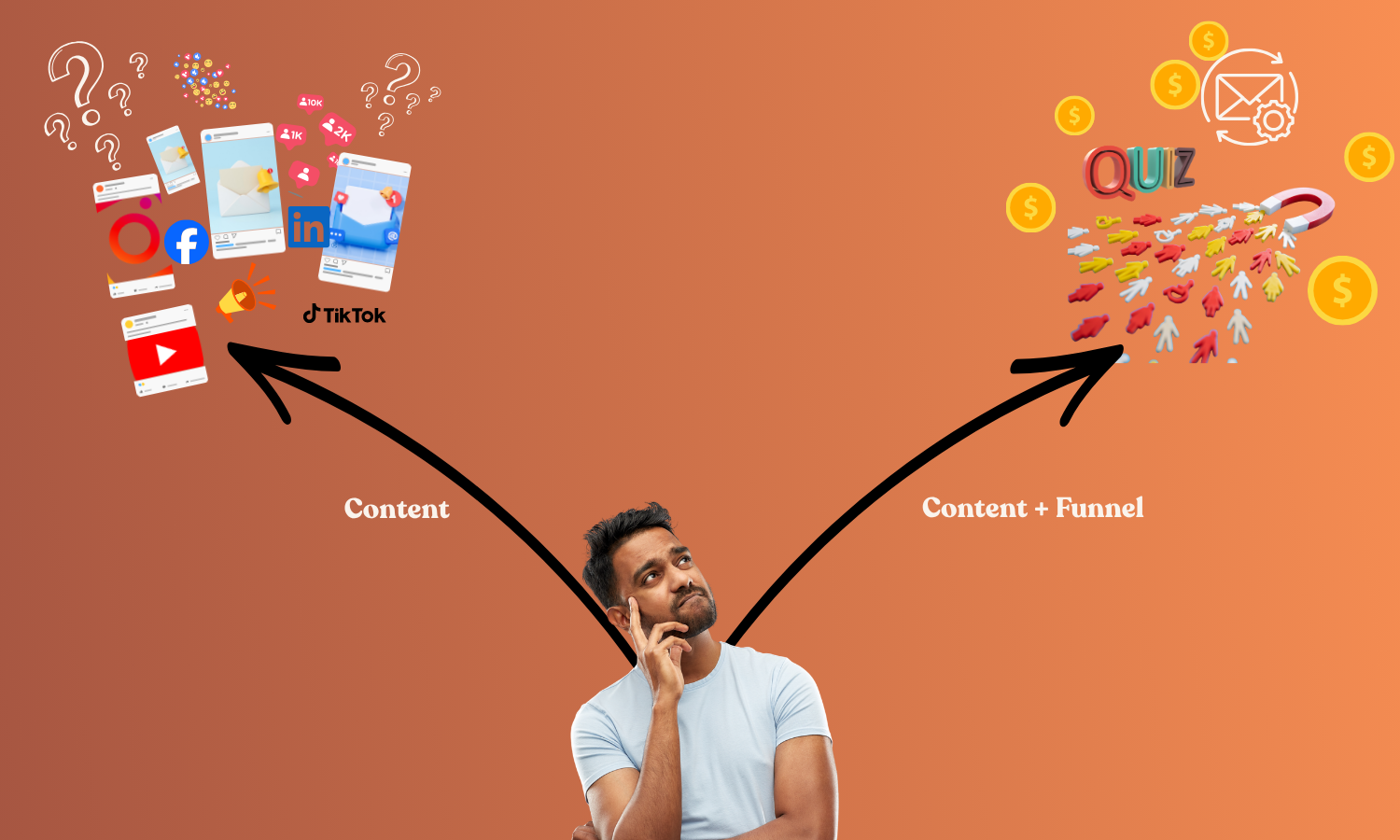
Why your content strategy needs a destination before it needs a draft
Most businesses start creating content before building the system that turns readers into leads. Publishing posts, newsletters, and LinkedIn content may generate attention, but without a clear destination, it rarely generates clients. Before investing in content, create a simple funnel: a landing page with a specific outcome, an interactive assessment or quiz, a relevant lead magnet, and a welcome email sequence. Use the language your customers actually use to describe their problems and goals. Content is not the strategy — it's the traffic source. The real conversion happens when readers have a clear path to follow after they consume your content. Build the destination first, then scale the content.
Free Workshop
The #1 problem that prevents you from scaling with your systems
The surprising factor that most growing B2B businesses don’t take into consideration - and how you can solve it in your business before your “good problem” becomes an “out of hand problem”!

LOVE getting Irit's emails. They're fun, friendly, not to mention helpful. It feels like it's really her talking, not just an ESP blasting out emails.
Shiffy Abramoff, B2B Copywriter


